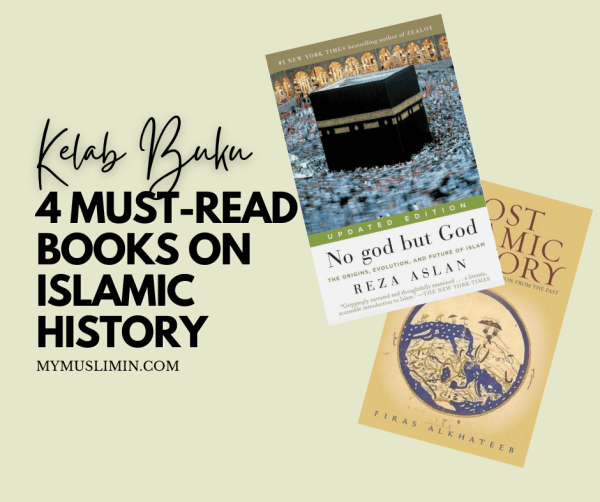
Islamic history is vast, layered, and endlessly fascinating --- a tapestry of empires, scholars, explorers, poets, and visionaries who transformed the world. But where do you even begin? Whether you’re a casual reader or someone looking to deepen your understanding of the Muslim world, these four essential books offer rich insights, compelling narratives, and a clearer sense of how Islamic civilisation evolved over the centuries.
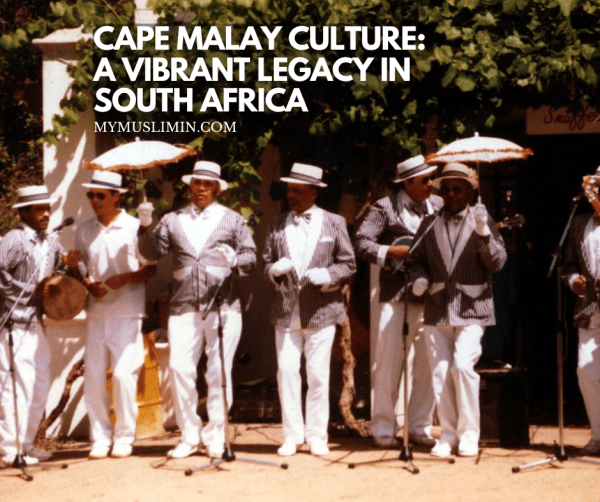
Cape Malay Culture: A Vibrant Legacy in South Africa
The Cape Malay community in South Africa stands as a vivid testament to resilience, cultural fusion, and identity. Originally formed from the forced migrations of enslaved and exiled Muslims — many brought from the Dutch East Indies (now Indonesia), Madagascar, India, and other parts of Asia and Africa during the Dutch colonial era — this group carried faith, traditions and skills into the Cape of Good Hope. Their story is one of hardship, creativity and survival.
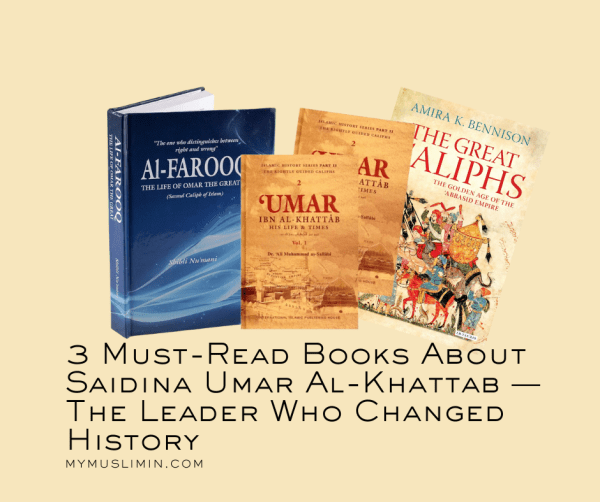
3 Must-Read Books About Saidina Umar Al-Khattab — The Leader Who Changed History
Saidina Umar Al-Khattab (RA) — the second Caliph of Islam, known for his justice, wisdom, and fearless leadership. His era marked the expansion of the Muslim world, the establishment of governance rooted in integrity, and a legacy that continues to inspire leaders today. If you’re looking to understand the man behind the legend, here are three essential books that bring his story — and spirit — to life.
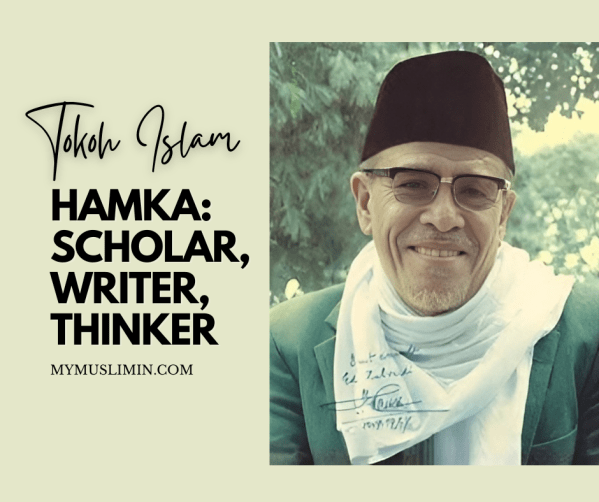
Hamka: Scholar, Writer, Thinker
Hamka, scholar, novelist, and public thinker, bridged Islamic tradition with the modern world through landmark works like Tafsir Al-Azhar and the influential novels Tenggelamnya Kapal Van Der Wijck and Di Bawah Lindungan Ka'bah. His blend of faith, culture, and critical insight keeps his legacy vibrant and relevant today.
Not All Love Heals: How to Recognize a Toxic Relationship in 6 Ways
Sometimes it is baffling to witness couples who remain together despite years of constant conflict, emotional coldness, and an absence of harmony. These are 6 signs of a toxic relationship, based on insights by Dr. Amir Levine and Rachel Heller in "Attached: The New Science of Adult Attachment", with added Islamic perspectives to guide us in navigating such emotional challenges.
Al-Ghazali’s Intellectual Legacy: Balancing Philosophy, Faith, and Human Nature
Al-Ghazali believed knowledge is embedded in the human soul and can be cultivated through proper education. He likened a child to an uncut diamond, with education shaping the child into a refined individual. Through education, Al-Ghazali argued, humans can refine their behavior and achieve spiritual and intellectual excellence.
The Prophet’s Beautiful Compassion Toward Other Faith Communities
From respecting other faith communities to being kind in daily interactions, these principles portrayed by Rasulullah s.a.w. demonstrate a model of interfaith relations based on mutual respect, understanding and compassion, offering valuable lessons for fostering harmony in diverse communities today.