By: Mymuslimin.com
The Cape Malay community in South Africa stands as a vivid testament to resilience, cultural fusion, and identity. Originally formed from the forced migrations of enslaved and exiled Muslims — many brought from the Dutch East Indies (now Indonesia), Madagascar, India, and other parts of Asia and Africa during the Dutch colonial era — this group carried faith, traditions and skills into the Cape of Good Hope. Their story is one of hardship, creativity and survival.
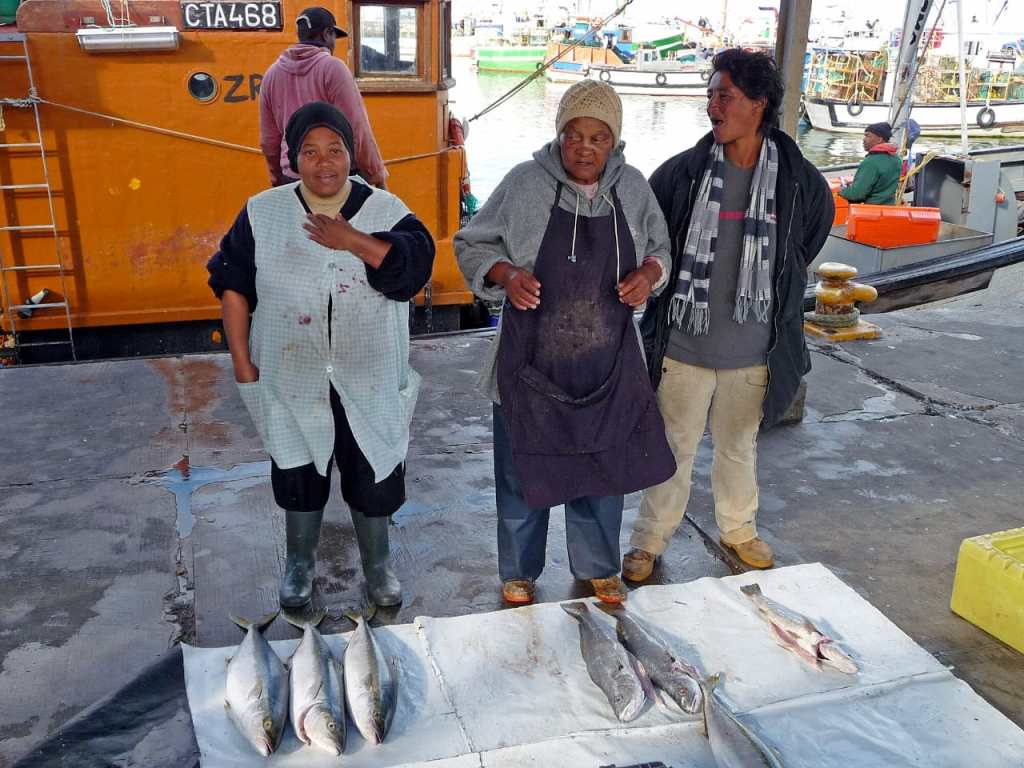
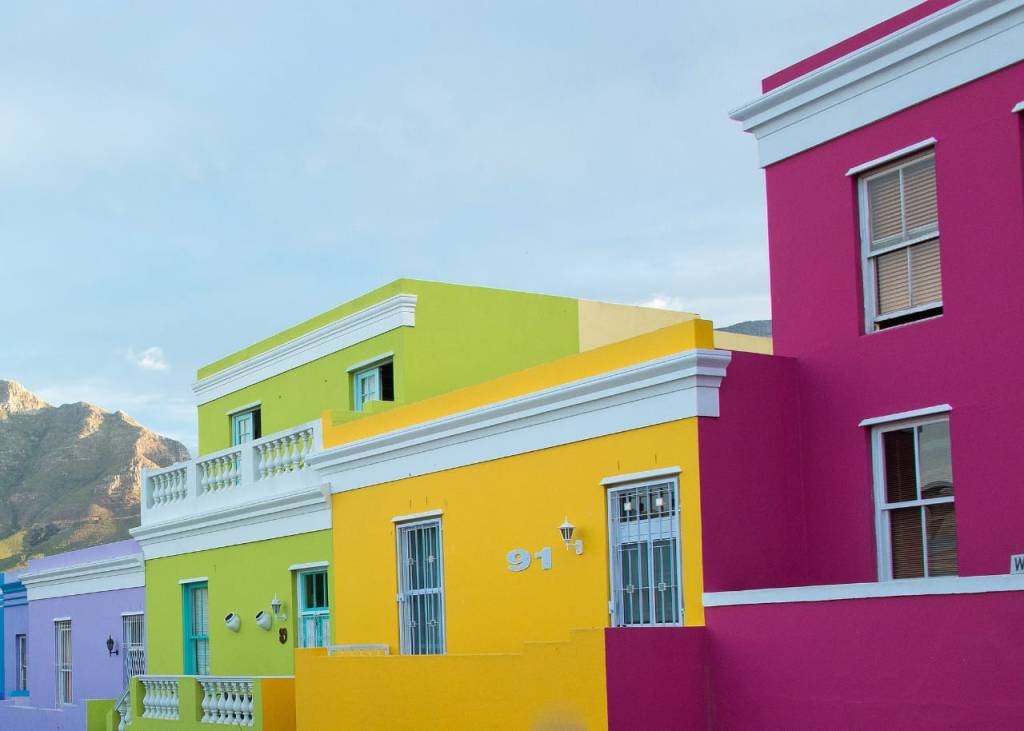
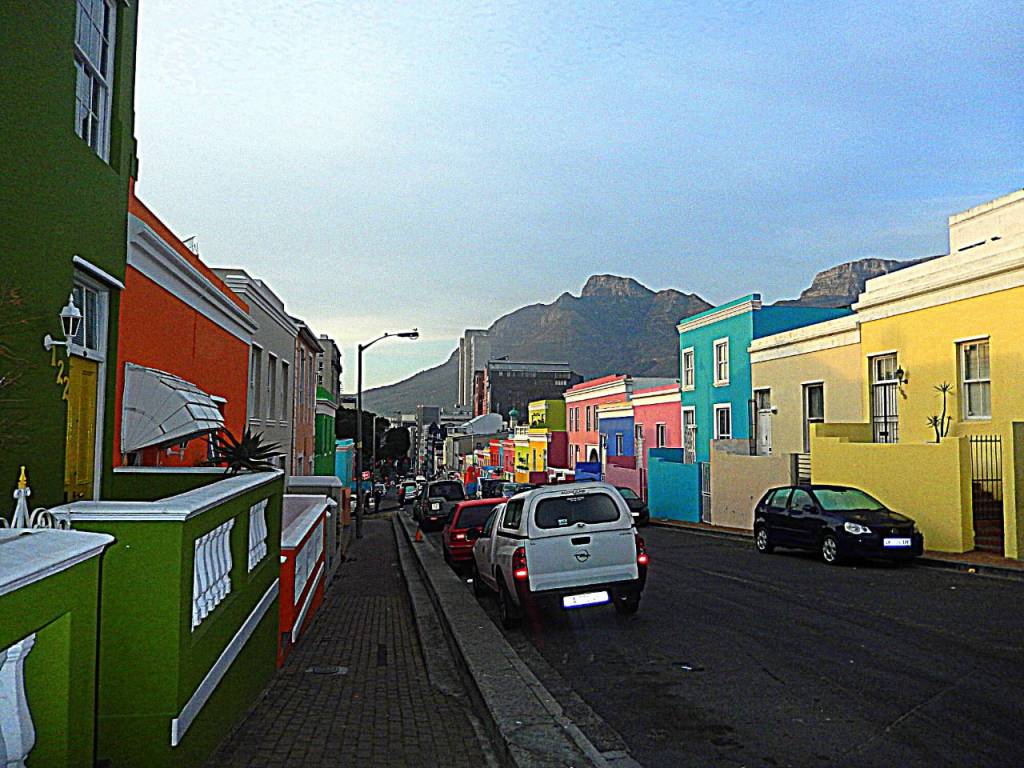
Settling predominantly in what is today the city of Cape Town, especially in neighbourhoods like the colourful Bo‑Kaap, the Cape Malay people blended Indonesian, African and Dutch influences into a unique cultural identity. They maintained their Islamic faith, while developing their own language mix (including an Afrikaans-based dialect sprinkled with Malay words) and creating social practices that spoke of both exile and home.
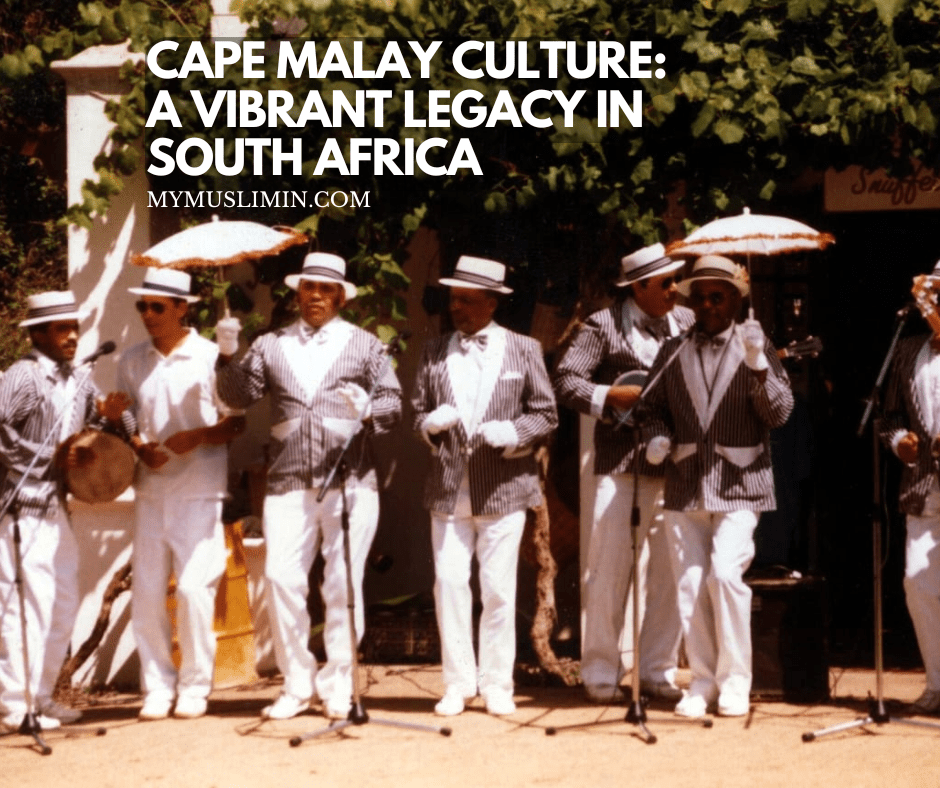
One of the most visible legacies of this community is found in their food, music and cultural celebrations. Dishes like bobotie, yellow rice, bredie and frikkadel are now iconic within the Cape Malay culinary tradition — spicy, warm, layered, and rich in history. On the musical side, the community developed a distinctive form of folk song (nederlandslied) and traditional celebrations such as the annual Minstrel Carnival (also called Tweede Nuwe Jaar) reflect joy and creativity born out of adversity.
Identity has been a complex matter for the Cape Malay community. During the apartheid era, racial classifications lumped them into racial groups that did not fully reflect their history or culture. Yet even amid such challenges, the community has held onto a strong sense of self-worth, culture and tradition. Today, you will still find Cape Malay architecture, mosques, cuisine and neighbourhoods that speak loudly of a community that refused to be erased.
A shining symbol of this enduring heritage is the Auwal Masjid on Dorp Street in Bo-Kaap. Established in 1794, it is widely regarded as the first mosque in South Africa — built on land owned by a freed Muslim slave named Coridon van Ceylon and under the first British occupation of the Cape. Its first imam, the revered scholar Tuan Guru (Imam Abdullah Kadi Abdus Salaam), had been imprisoned on Robben Island, yet upon his release in 1793 he set up a madrasah and turned a warehouse into a place of worship and learning — a powerful act of faith in the face of colonial and social restrictions. The Auwal Masjid remains an active place of worship and a landmark of Cape Malay and South African Muslim identity, embodying both spiritual endurance and the community’s long-standing fight for recognition and freedom of worship.

For travellers, the Bo-Kaap’s rainbow-coloured houses, the aroma of traditional cooking in Cape Town’s air and the rhythms of Cape Malay music provide a living link to an extraordinary history — showing how people displaced by colonialism created something utterly unique in their new home.

 mymuslimin.com
Leave a comment